

An air compressor check valve is a one-way valve that lets air flow from the pump to the tank and blocks it from flowing back. You can identify a worn valve by listening for air escaping after shutdown, then replace it with a valve that matches the old one’s size, pressure rating, and port layout.
What an Air Compressor Check Valve Does and Where It Sits
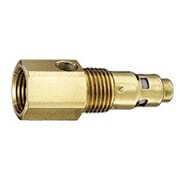 A check valve is a valve that permits flow in only one direction.
On a piston compressor, the air compressor check valve sits between the pump and the tank. Air gets pushed through during the compression stroke, then the valve closes behind it so the tank can’t push that air back toward the pump when the motor stops.
Without it, stored air would bleed away at shutdown. Some screw compressors also carry an inlet check valve that keeps compressed air and oil from flowing back out through the inlet. Depending on the compressor design, it may be part of the inlet or unloading valve assembly. For a closer look at how an air compressor check valve works, that guide covers each location on piston and screw machines.
Signs Your Check Valve Is the Problem
You’re listening for air that shouldn’t be moving. After the compressor stops, a brief hiss from the unloader is normal. But if the hissing continues, a worn check valve may be letting tank air leak backward toward the pump. That air often escapes through the pressure switch unloader. When you hear air leaking from the pressure switch with the compressor stopped, the check valve is often the leaking part.
On a screw compressor, it shows up differently. A stuck or failed inlet check valve can send oil out through the air inlet filter. That’s a service call, not a home repair.
A worn check valve is only one possible cause when an air compressor isn’t building pressure, so rule out other issues before replacing parts.
How to Test an Air Compressor Check Valve
Start with safety, because stored air is stored energy. Shut off power, lock it out, and relieve all pressure before you touch any part. The OSHA lockout/tagout rule requires that stored or residual energy be relieved, disconnected, restrained, or otherwise rendered safe once lockout devices are applied, and pneumatic energy counts. Leave electrical work to a qualified technician.
With the tank drained and power locked out, remove the valve and inspect it for debris, corrosion, or a pitted or damaged seat. If the valve seat is pitted or the valve mechanism is stuck, the valve may need to be replaced. A technician can bench-test whether it passes air one way and blocks it the other. This basic test can identify a faulty valve, but it may not detect every leak that occurs under operating pressure.
You can also run a hold test. Bring the tank to pressure, shut the compressor off, and listen at the discharge line and pressure switch. Steady hissing after shutdown points toward the check valve, though it’s one possible cause and not a guarantee.
How to Size and Choose a Replacement
A replacement air compressor check valve must match the one secd valve in four areas: connection size and thread, maximum pressure rating, temperature rating, and port configuration. Get any of them wrong, and you risk leaks or operating a part beyond its rated limits.
Cracking pressure matters too. The cracking pressure of a check valve is the pressure at which you first get an indication of flow, and it isn’t necessarily the point where the valve is fully open. Match it to the original.
You’ll mostly choose between inline and in-tank styles. For discharge lines, an inline cast brass check valve is listed at 250 psi maximum, 450°F maximum, and 3 psi cracking pressure, with a plugged 1/8-inch NPT unloader port. The in-tank check valve, with a brass body and stainless spring, is listed at 1 psi cracking pressure, 500 psi maximum, and 450°F maximum, with 1/8-inch NPT tapped ports. APEC carries air compressor check valves in several sizes and styles, so you can compare against your old part.
How to Replace an Air Compressor Check Valve Safely
Isolate power and lock it out. Relieve all stored air from the tank and discharge line. Confirm the tank pressure gauge reads 0 PSI, and make sure the discharge line and any other affected components are fully depressurized before removing the valve. Then remove the old valve, noting which way the flow arrow points.
Install the new valve according to the manufacturer’s instructions, using an approved thread sealant where required. Keep the flow arrow pointed from the pump toward the tank. Once everything is reconnected, restore power and bring the tank up to pressure. Check the fittings for leaks using an appropriate leak-detection solution.
Don’t open or service screw compressor inlet or unloading valve assemblies yourself.
When to Call a Pro in Oklahoma City
If you run a screw compressor, if the valve is part of an inlet or unloading valve assembly, or if symptoms continue after a new valve goes in, stop guessing.
Call APEC service for compressor diagnosis and repair. Have your compressor model number and a description of what you hear after shutdown.
Frequently Asked Questions
Listen after the compressor shuts off. A brief hiss from the unloader is normal, but hissing that keeps going from the pressure switch or unloader often points to a leaking check valve. If testing confirms the valve allows air to flow in both directions, it likely needs replacing.
A leaking air compressor check valve is often the cause. The valve is supposed to hold tank air back, and when it doesn’t, that air escapes through the unloader port on the pressure switch. It’s one possible cause, so confirm before you replace parts.
On a piston compressor, many owners do, provided power is locked out and all stored air is relieved first. Skip it on screw compressors with inlet or unloading valve assemblies, and call APEC service for those.
Match the old valve’s connection size and thread, maximum pressure rating, and temperature rating. Then compare cracking pressure and port layout.
Ready to get your compressor sealed up and running right? APEC helps Oklahoma City shops and facilities find the right parts and the right service. Visit aircompressorcfm.com or call our team for help finding the right replacement.