

Skipping an air compressor oil change can accelerate bearing wear, increase operating temperatures, and contribute to seal deterioration. Left unaddressed, the costs add up. A missed air compressor oil change is rarely the sole cause of a failure, but it is often a contributing factor.
What Is Air Compressor Oil?
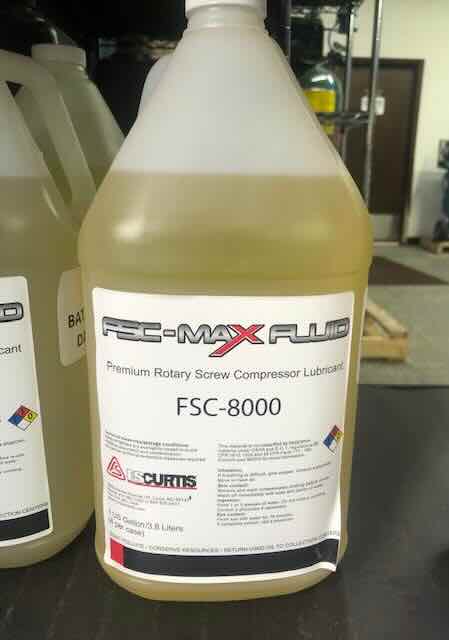 Air compressor oil is a specialized lubricant formulated to handle the heat, pressure, and moisture conditions inside a compressor. It does four things at once: it lubricates moving components to reduce friction, cools the compression element by absorbing and transferring heat, seals internal clearances (particularly in rotary screw machines where oil acts as a dynamic seal between the rotors), and suspends contaminants so they can be filtered out.
Running on degraded oil gradually removes those protections. Staying current on your air compressor oil change schedule prevents that progression. Before any maintenance, shut down the unit, lock out and tag out the power source, and depressurize the system. The U.S. Department of Energy compressed air sourcebook identifies lubrication as a primary factor in both compressor performance and system energy efficiency. Degraded oil can cause the compressor to work harder, which may increase power consumption and reduce output over time.
The Real Consequences of Skipping an Oil Change
One of the first consequences of degraded compressor oil is increased heat.
Overheating. As compressor oil degrades, it becomes less effective at lubricating and cooling internal components. This can lead to higher operating temperatures and put additional stress on the equipment. While many industrial compressors have thermal shutdown protection, regular maintenance helps prevent overheating before it becomes an issue.
Bearing wear and seizure. Compressor bearings rely on proper lubrication to minimize friction and wear. When oil breaks down, increased metal-to-metal contact can gradually damage these components. Without proper maintenance, this wear can eventually lead to bearing failure or compressor seizure, resulting in costly repairs or equipment replacement.
Warranty coverage. Many compressor manufacturers require regular maintenance to maintain warranty coverage. Skipping a recommended air compressor oil change may affect coverage if a lubrication-related failure occurs. Following the manufacturer’s maintenance schedule and keeping accurate service records can help protect your equipment and warranty eligibility.
How Often You Should Change Air Compressor Oil
Oil change intervals vary by compressor type. The right air compressor oil change interval depends on the type of machine you are running. General manufacturer guidelines suggest:
- Rotary screw compressors: FS-Curtis publishes lubricant change intervals of 2,000, 4,000, or 8,000 hours depending on the specific model, lubricant type, and operating conditions. Always consult your OEM service schedule for the authoritative interval for your equipment.
- Reciprocating (piston) compressors: Most manufacturers recommend an air compressor oil change every 500 to 1,000 hours, or once per year at minimum. Higher operating temperatures and dusty environments accelerate oil degradation and may require shorter intervals.
High temperatures, dusty environments, and continuous operation can accelerate oil degradation. If oil condition is uncertain, professional oil analysis can help determine whether maintenance is needed.
Signs Your Compressor Oil Is Overdue
Your compressor will often show warning signs before a scheduled air compressor oil change interval arrives. These are indicators to investigate, not automatic proof the oil has failed:
- Oil that appears unusually dark, gritty, or thick at the sight glass
- Discharge temperatures running higher than normal with no change in load
- Increased noise or vibration during operation
- Visible sludge or deposits around the fill port or reservoir
Appearance alone does not confirm oil has exceeded its service life. Follow your OEM intervals and consider a professional oil analysis if you are unsure.
What Type of Oil Does Your Compressor Need
Air compressor lubricants generally fall into several categories, including:
Synthetic oil is widely recommended for rotary screw compressors and continuous-duty applications because of its better thermal stability, longer drain intervals, and stronger oxidation resistance. Always follow your OEM specifications.
Mineral oil works in standard-use environments and is common in many reciprocating compressor applications. It breaks down faster under sustained heat and pressure.
OEM-specified oils matter when your manufacturer calls for a proprietary formulation. Many major OEMs tie warranty coverage to approved lubricants. If you are scheduling an air compressor oil change and are unsure which product to use, check your owner’s manual before substituting.
When to Call a Professional Instead of DIYing It
A routine air compressor oil change for a small-shop reciprocating compressor is a reasonable in-house task. A rotary screw compressor at the center of a production line is a different situation.
Professional air compressor service goes beyond draining and refilling oil. A trained technician checks separator performance, inspects filters and belts, reads operating temperatures against spec, and catches developing problems before they become downtime. For rotary screw air compressors, the oil change is the right time to complete any additional maintenance tasks specified in your manufacturer’s recommended service schedule, not just swap fluids.
Frequently Asked Questions
Rotary screw compressors commonly follow air compressor oil change intervals between 2,000 and 8,000 hours depending on the manufacturer, lubricant type, and operating conditions. Most reciprocating (piston) compressors require one every 500 to 1,000 hours, or once a year at minimum. Always defer to your OEM service manual for the correct interval for your specific unit.
Neglecting an air compressor oil change can contribute to overheating, accelerated bearing wear, and eventual compressor seizure. It may also affect your OEM warranty coverage for related failures. Keeping up with a regular air compressor oil change schedule and maintaining service records is the simplest protection.
Air compressors require oil formulated specifically for compressor applications. Rotary screw units typically use synthetic compressor oil. Verify the correct type with your OEM manual. Reciprocating compressors often use mineral oil, though some require synthetic. Always use the lubricant type and viscosity specified by your compressor manufacturer.
Check the sight glass regularly. Oil that appears dark, thick, or gritty is a warning sign worth acting on, though appearance alone does not confirm the oil has failed. Rising discharge temperatures, unusual noise, and visible sludge at the fill port are additional signals. When in doubt, follow your OEM air compressor oil change interval or request a professional oil analysis.
Air Power Equipment offers preventative maintenance agreements for both reciprocating piston compressors and rotary screw units. Whether you need help setting an air compressor oil change schedule or a full service plan, call (405) 445-1216 or visit aircompressorcfm.com.